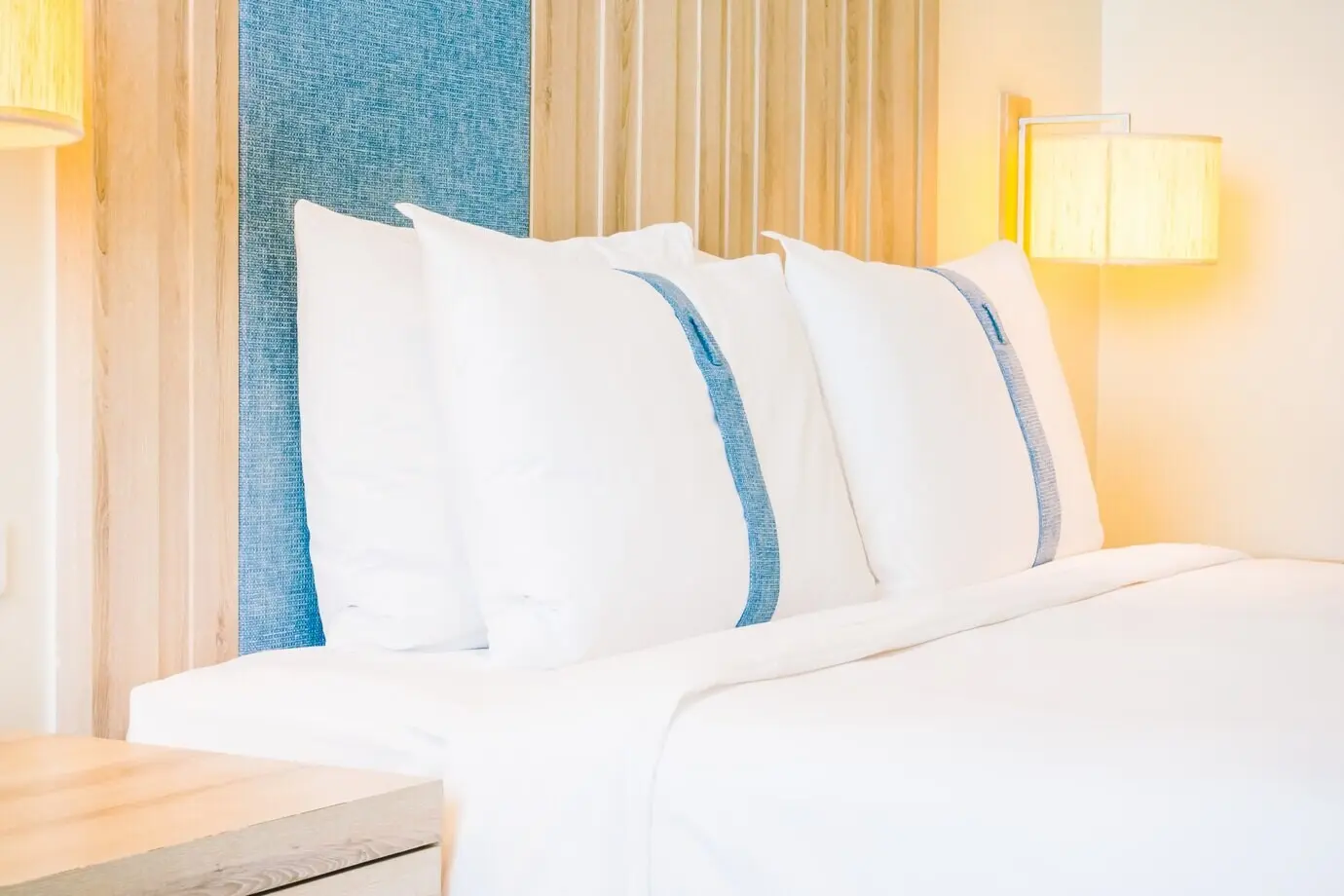
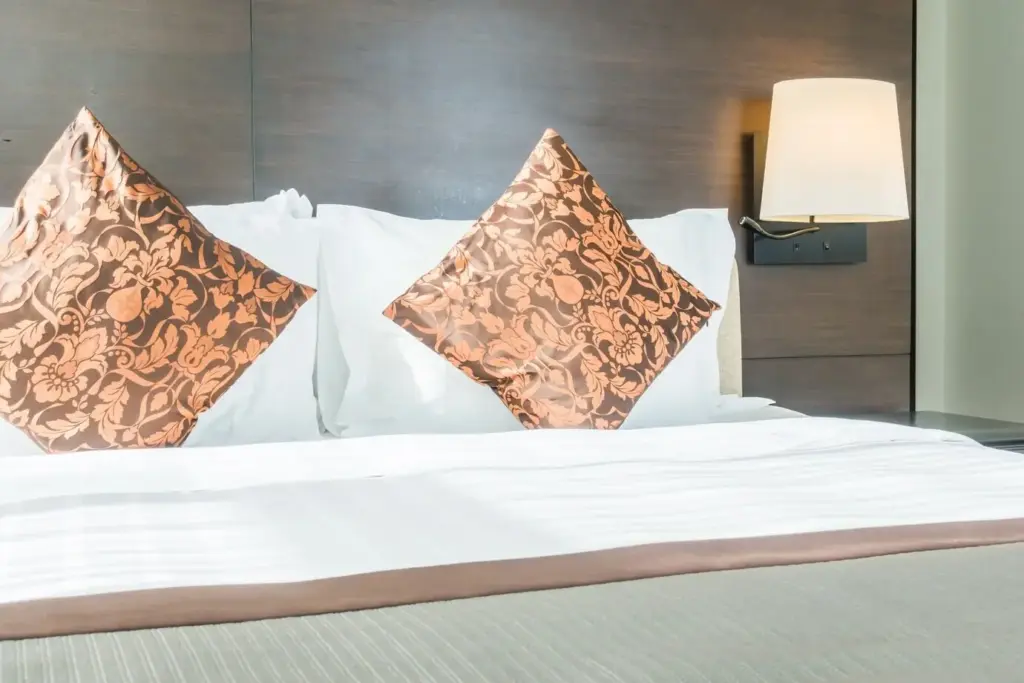
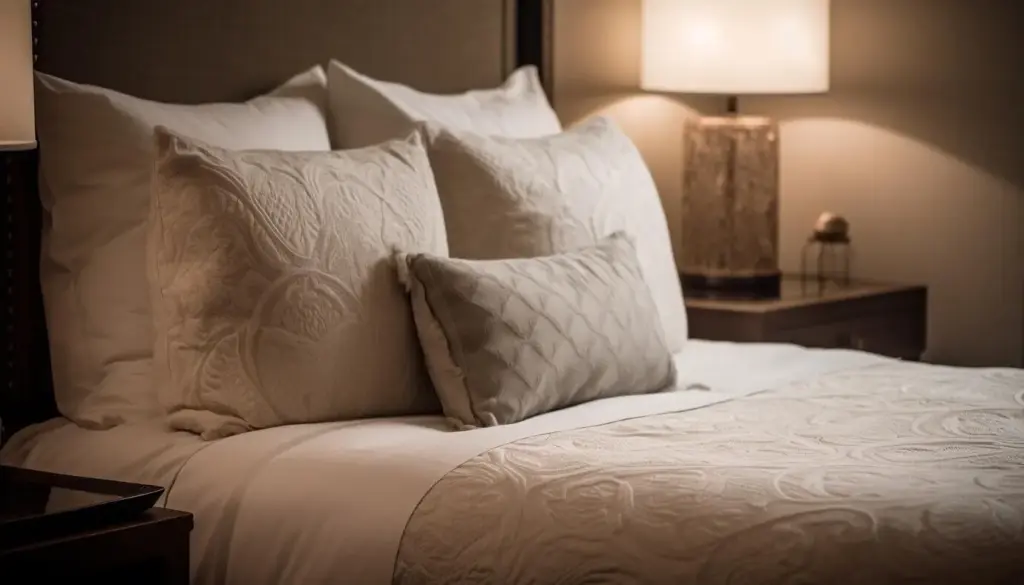
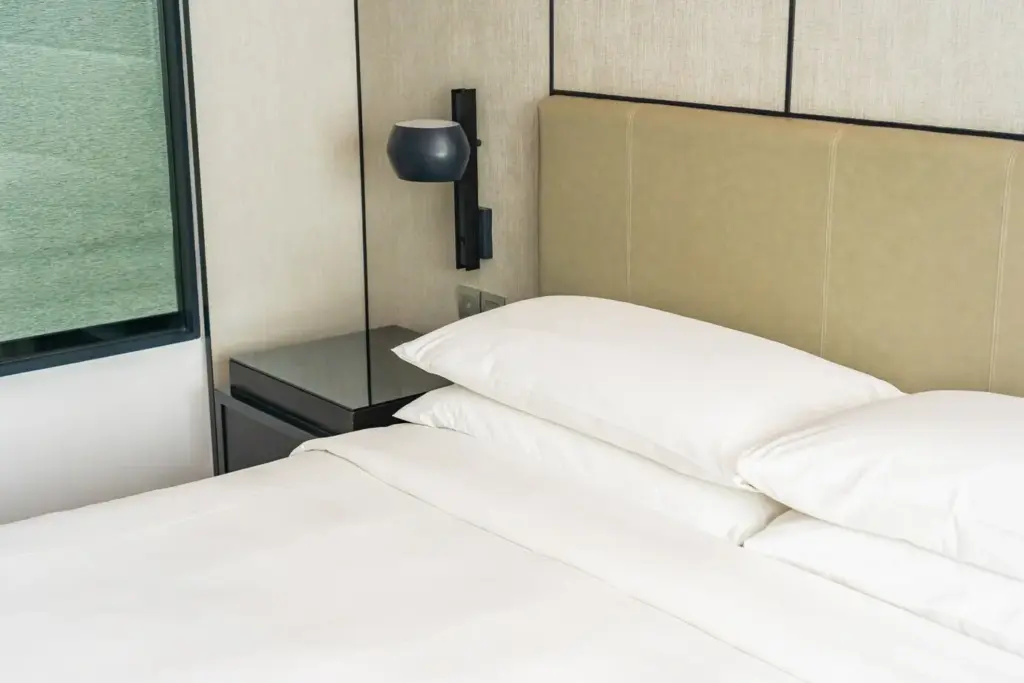
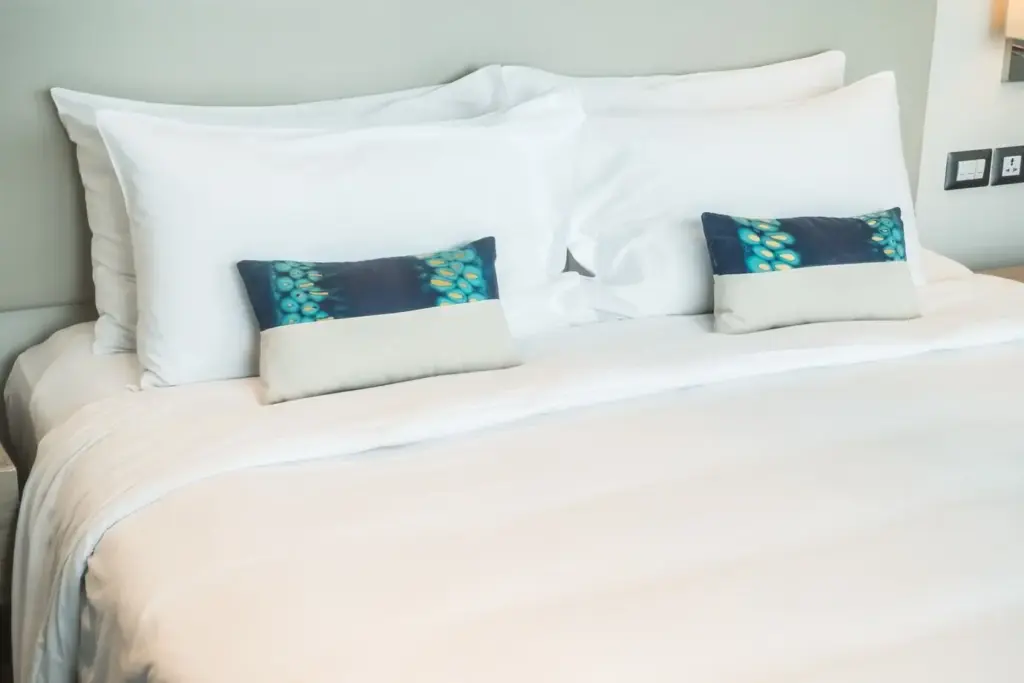
Divide the space into gentle zones: sleep with minimal glare, refresh with direct bathroom access, and a compact desk that doesn’t face the bed. Clear sightlines reduce stress, while rugs, screens, or furniture placement subtly guide movement without sacrificing accessibility or warmth.

Plan door swings so bathroom entries never reveal the bed, and consider pocket or barn doors for tighter footprints. Maintain wheelchair turning radii where possible, soften corners, and leave landing space at the entry for bags, coats, and shoes to settle gracefully.
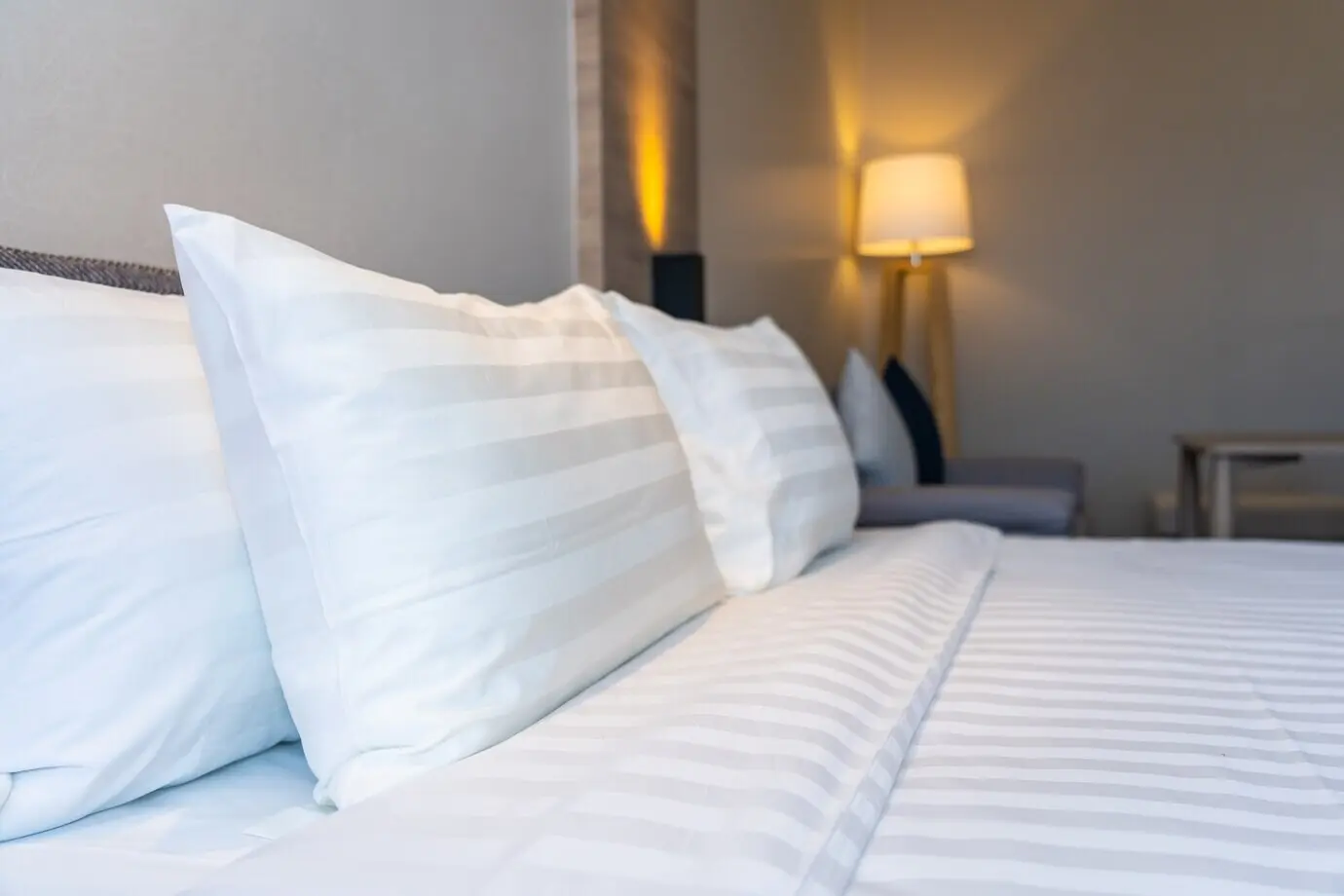
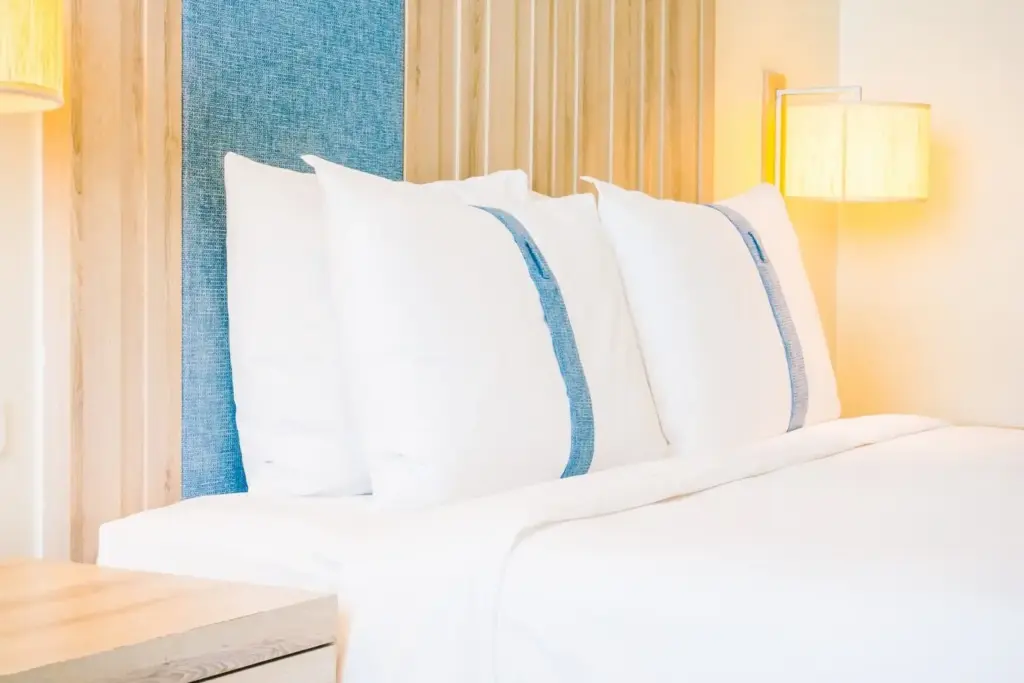
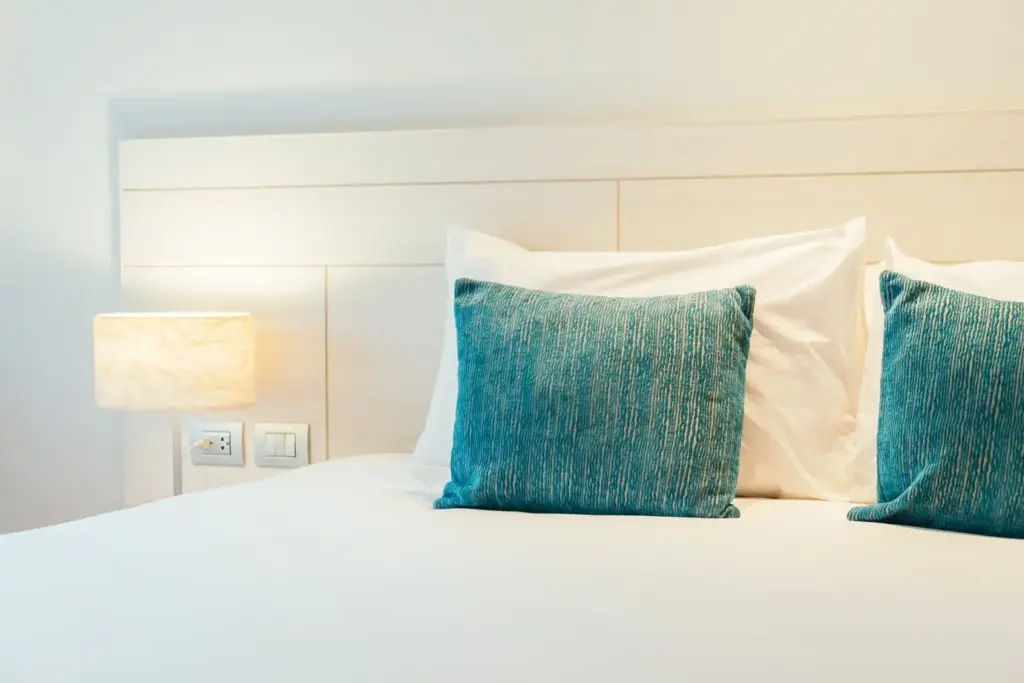
Blend dimmable ambient lighting with bedside task lamps and low‑level night lights leading to the en‑suite. Blackout shades protect deep sleep, while warm color temperatures calm nerves, helping guests navigate safely without stumbling or waking partners during late‑night bathroom trips.
Provide a unique code per stay and a printed backup plan for outages. Exterior cameras monitor entrances without invading privacy, while in‑room devices remain minimal. Guests arrive late, enter easily, and feel protected, freeing hosts from midnight key handoffs forever.
Choose intuitive thermostats with clear steps and a short card describing presets. Dimmer labels, fan speeds, and window instructions prevent guesswork. The goal is independent comfort, not tech demos, so your visitors relax faster and leave smiling about effortless control.